 English
 Español
What Makes an Extension Cord Manufacturer Reliable? Certifications, Materials, and Testing
Content
Every buyer who sources extension cords eventually faces the same question: which manufacturer can actually deliver a cord that is safe, code-compliant, and durable, not just a box of copper and plastic? A purchase order for 500 or 5,000 extension cords is only as good as the engineering behind the product. This article explains what an extension cord manufacturer should be able to show you, from certification files and material specifications to production-line testing and standards coverage.
What Makes an Extension Cord Manufacturer Reliable?
The first sign of a reliable manufacturer is third-party certification. c(UL)us, ETL, and CE marks are not stickers applied at the end of a production run; they represent a documented series of tests performed against recognized safety standards. A c(UL)us mark allows access to both the U.S. and Canadian markets, ETL is accepted across the United States, and CE is mandatory within the European Economic Area. If a supplier cannot show a valid certificate or a file number that can be verified on a certification body’s website, the product should not be accepted into your inventory.
Material choices matter just as much. The conductor should be oxygen-free copper or another clearly specified copper alloy, not recycled fillers with unknown resistance. The insulation and jacket should match the application: PVC for general indoor use, heavy-duty rubber or PVC compounds for outdoor or construction environments, and higher-temperature materials for heat exposure near appliances. Also, the plug blades, terminals, and strain relief need to satisfy the pull-out force and torque requirements in the relevant standard.
Review these items before you order:
- Certification file numbers and issuing bodies
- Material declaration for conductor, insulation, and plug
- Oven, cold, and flexing test reports for the cord
- Mold and tooling approval records for plugs and connectors
For a deeper walkthrough of cord types and standards, see our complete guide to extension cord types, standards, and applications.
Standards and Product Range: One Manufacturer, Many Configurations
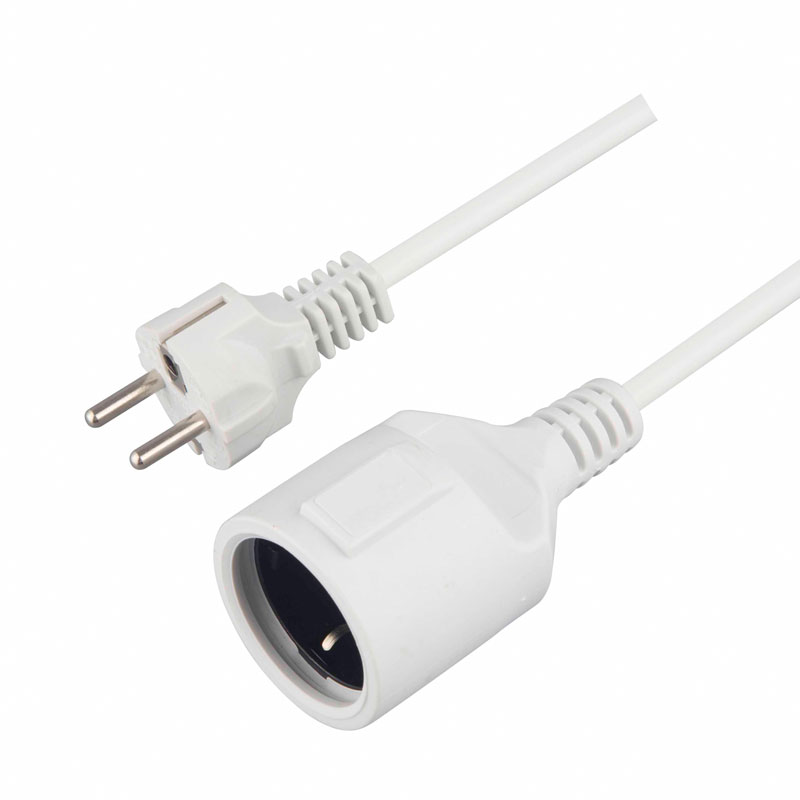
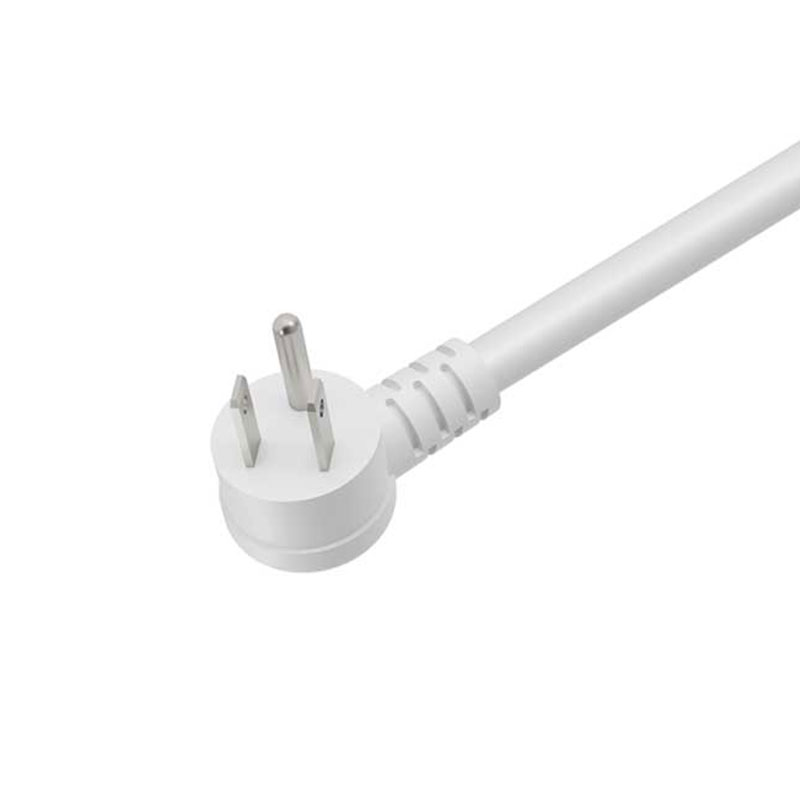
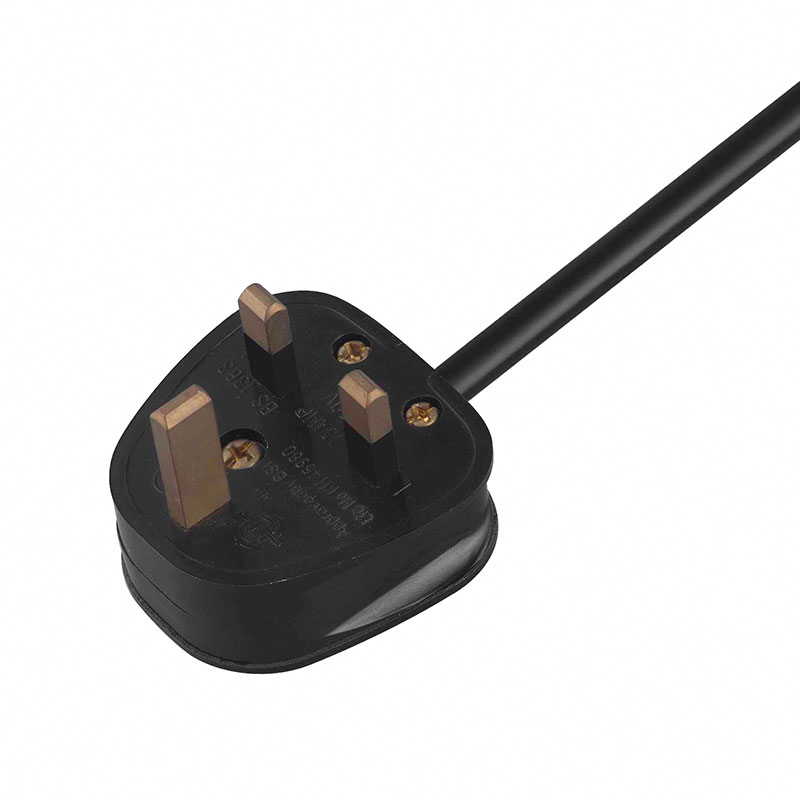
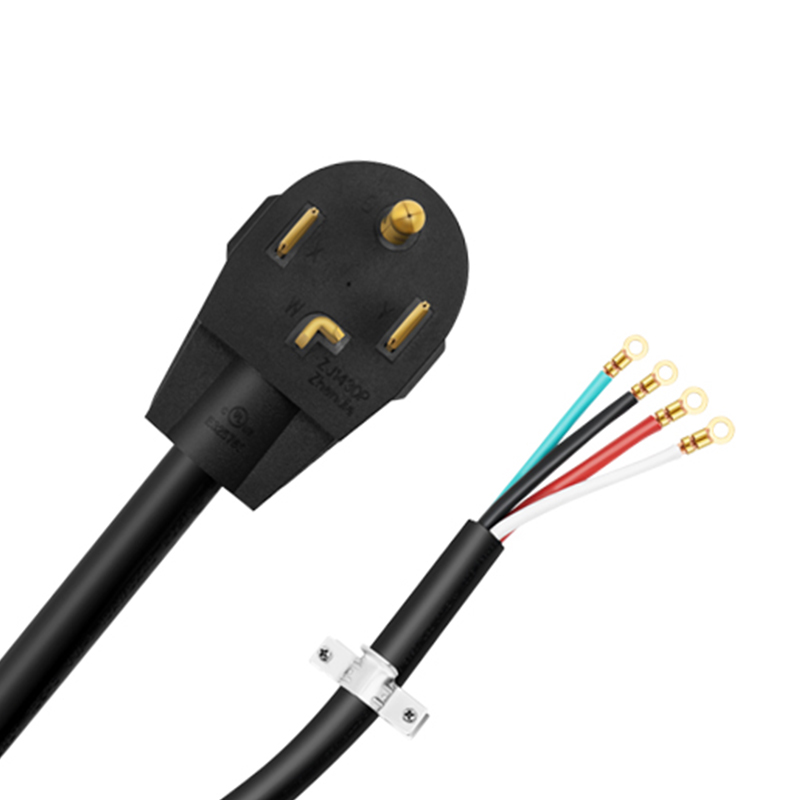
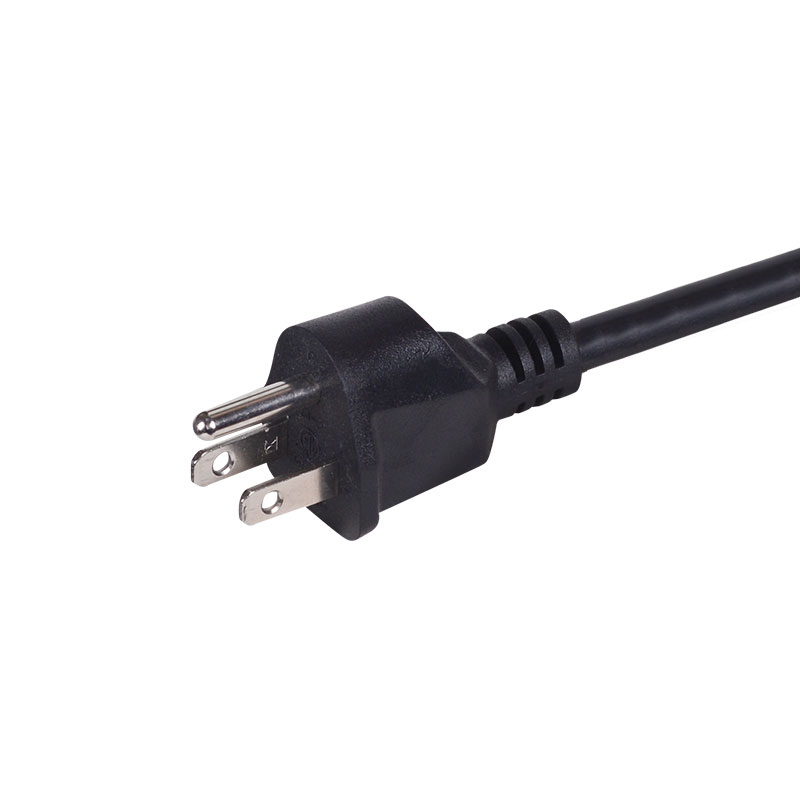
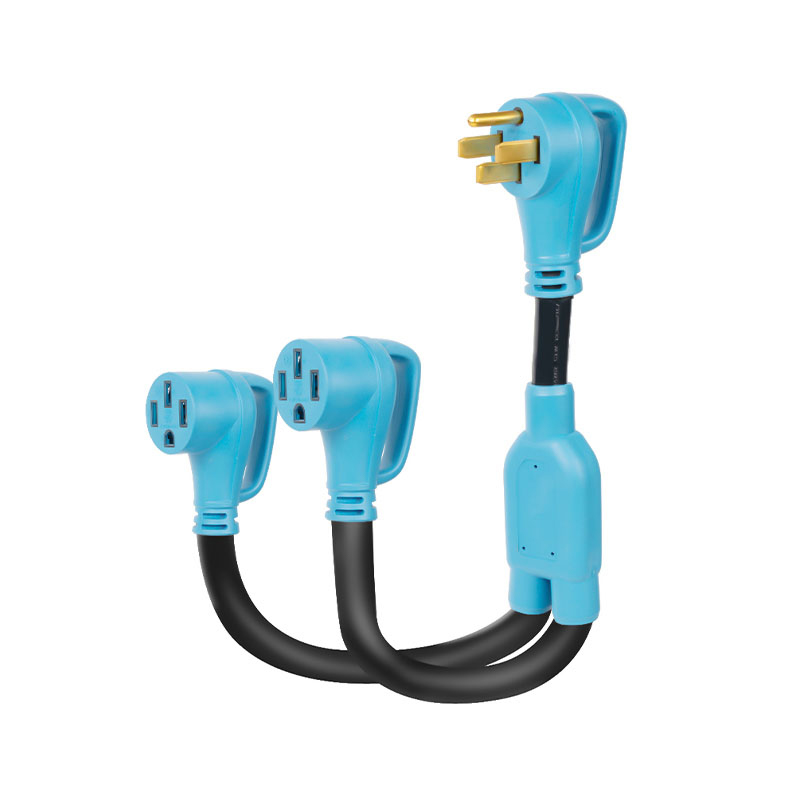
An extension cord is not a generic product. A cord built for a U.S. household looks completely different from a cord for a British kitchen or a German workshop. The plug standard, voltage rating, current rating, and physical design are all market-specific. A capable manufacturer should be able to produce NEMA configurations such as 5-15P, 5-20P, 6-15P, 6-20P, 10-30P, 14-30P, and 14-50P; British BS1363 Type G cords; European Schuko CEE 7/7 cords; and locking designs such as L5-30 and L14-30.
Wire gauge is the next critical decision. The American Wire Gauge (AWG) number directly affects how much current the cord can safely carry. For typical household use, 18 AWG is acceptable for light loads; 16 AWG is common for power tools; 14 AWG supports larger appliances; and 10 AWG is the typical choice for 30-amp generator or RV connections. A manufacturer with a wide gauge range—from 18 AWG to 10/4 or heavier—shows that it can engineer for different mechanical strength and electrical capacity.
Application coverage also tells you about engineering depth. A manufacturer that makes not only indoor extension cords but also waterproof landscape cables, generator twist-lock cords, RV adapters, and EV extension cords must handle a variety of environments, severities, and life-safety requirements. That breadth reduces the number of suppliers you need to qualify and simplifies quality audits.
One example is the 18AWG waterproof extension cable for LED deck lights, which is built for outdoor moisture exposure.
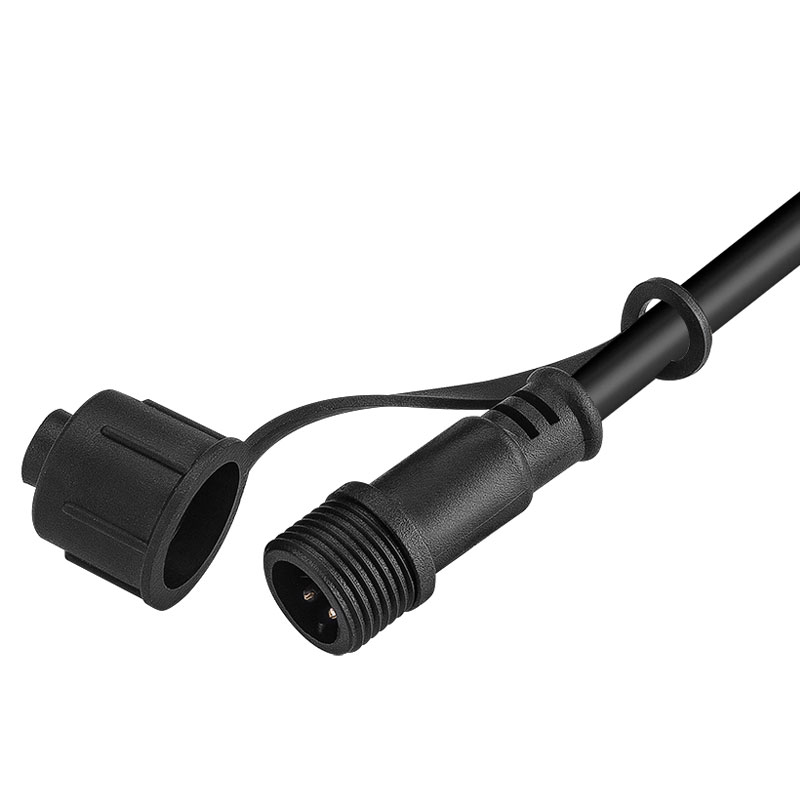 Waterproof 2-Pin LED Deck Light Extension Cable with Multiple GaugesThis weather-resistant extension cable suits outdoor LED lighting, and its availability in various lengths and ratings makes it a practical option for extending deck light connections reliably.View Product →
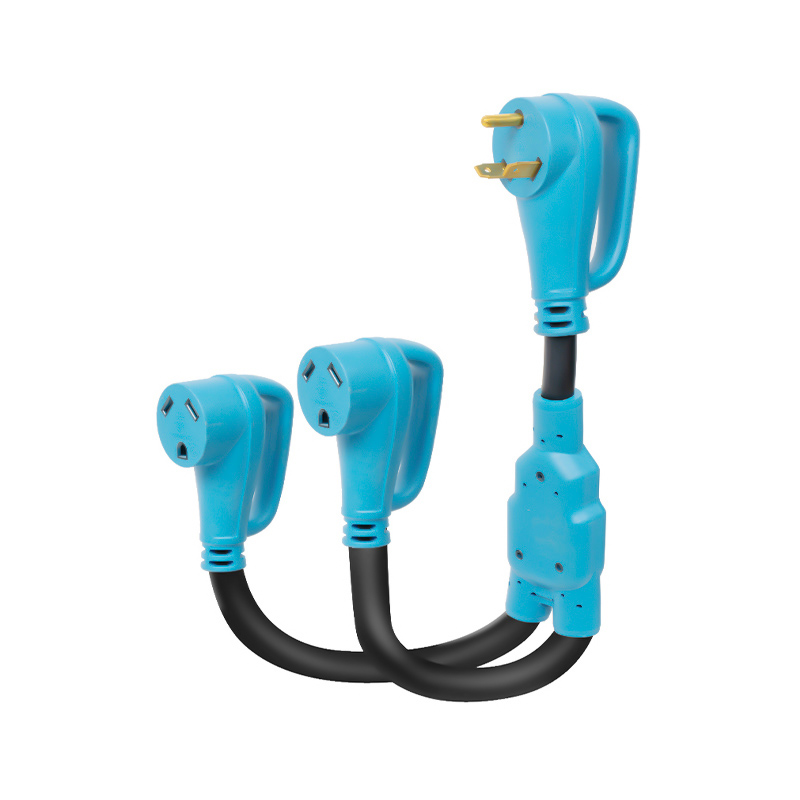
For RV and marine shore power, a 30-amp TT30P to L5-30R extension cord with a cord organizer keeps connections clear and tidy.
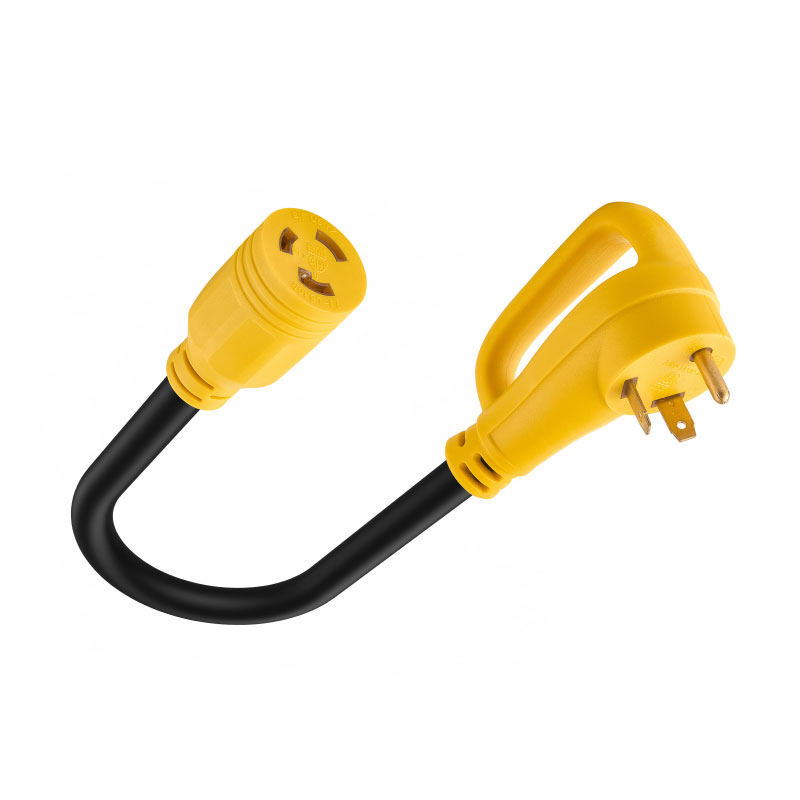 30-Amp RV Shore Power Adapter Cord with Cord Organizer and Grip HandleThis heavy-duty RV adapter provides a secure twist-lock 30-amp connection and includes a cord keeper for tidy storage, making it ideal for tidy trailer or camper power setups.View Product →
Generator installations often require locking connectors that stay engaged under vibration; NEMA L14-30 extension cords are a typical choice.
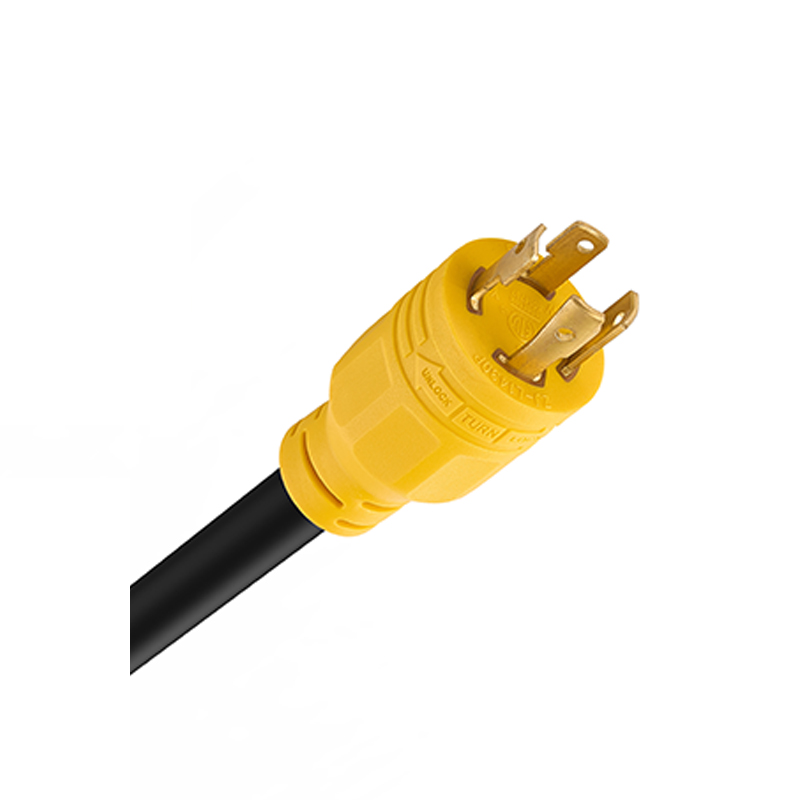 NEMA L14-30 Locking Generator Extension Cord for Home Backup PowerThis 30-amp locking extension cord safely routes generator power to a home transfer switch, with a rugged SJTW jacket suited for outdoor emergency and appliance use.View Product →
Inside the Factory: Quality Control and Production Capability
Reliability is built before the cord is assembled. A strong manufacturer runs an internal design team that can model the plug-and-cable assembly, select the correct barrel dimensions, and ensure the cord set meets the electrical and mechanical requirements of the target market. Many quality issues come from the interface between flexible cord and molded plug; the strain relief and the termination need to be engineered, not guessed.
An ISO 9001 certified production system provides a traceable framework for incoming material inspection, in-process checks, and final testing. Look for evidence of these routine tests:
| Test | What it verifies |
|---|---|
| High-voltage test | Insulation strength and dielectric breakdown |
| Continuity test | Conductor path and correct polarity |
| Pull-out force test | Strain relief and terminal retention |
| Grounding continuity | Ground path from plug blade to receptacle |
| Flexing test | Durability of cord and connection under bending |
The production footprint matters for delivery security. A manufacturer with a base in Ningbo plus a self-owned overseas factory can balance cost, logistics, and regional capacity. If one site is affected by port congestion or component shortages, the other can continue to support orders. This is particularly relevant for buyers in North America who need predictable replenishment.
A Practical Checklist for Evaluating Extension Cord Manufacturers
When you compare suppliers, use a written checklist. Confirm the manufacturer can provide the following before you commit to a purchase order:
- Current certification documents for c(UL)us, ETL, or CE, with file numbers you can verify
- A technical data sheet for each cord that states AWG, conductor material, temperature rating, voltage rating, and length tolerance
- Sample units from a current production run, not just custom-built prototypes
- Test reports or an offer of witness testing at the factory
- Lead times and minimum order quantities for standard and custom SKUs
- Material options such as PVC, rubber, and woven braid, in single or two-tone colors
If a supplier hesitates on any of these points, treat it as a warning sign. Cheap extension cords can cause overheating, short circuits, fire, or failed final inspections. The cost of a rejection at a border or an insurance claim is far higher than the savings on the unit price.
Choosing an extension cord manufacturer is not a one-time purchasing decision; it is a supply-chain partnership. A manufacturer that combines certified production, broad standards coverage, in-house testing, and international manufacturing experience will protect your margins and your brand. Use the checklist above, request verified documents, and evaluate samples from actual production before scaling up. That process separates a dependable partner from a supplier that only sells promises.

- [email protected]
- +(86)-0574-62162605
- +(86)-137 0584 5290
- No. 5-2, Yaobei Avenue, Simen Town, Yuyao City, Ningbo, Zhejiang Province, China
Copyright © NINGBO ZHENJIA ELECTRIC APPLIANCES CO.,LTD. All Rights Reserved. Custom Temporary String Light Manufacturers
