 English
 Español

EV Extension Cord Suppliers
information to be updated
Core Products & Expertise: EV Charging Solutions: J1772 Type 1 & Type 2 connectors, GB/T AC/DC charging cables, Electric Vehicle (EV) AC/DC charging connectors ("guns"),
and EV chargers.
Power Cords & Adapters: c(Ul)us-certified power cords, RV adapters, and various plugs/sockets.
Lighting Components: Temporary string lights and string light sockets/wiring.
Commitment to Excellence:
Professional R&D: Backed by a dedicated in-house R&D team driving innovation.
Robust Quality Assurance: Certified under ISO 9001 Quality Management System. Products hold key safety certifications, including c(Ul)us, ETL, and CE.
Advanced Manufacturing: Equipped with modern production facilities and stringent quality control processes.
Global Reach & Reputation:
Over the past decade, Zhenjia has achieved steady growth and earned recognition as a reputable enterprise within the industry. Our products are exported worldwide, with a
strong presence in demanding markets such as the United States.
Our Mission:
As China EV Extension Cord Manufacturers and EV Extension Cord Suppliers, we are committed to providing our global customers with reliable, safe, and high-performance products, supported by exceptional service. We strive to build lasting partnerships through continuous innovation and unwavering dedication to quality.
Looking Ahead:
Zhenjia Electric remains focused on advancing technology, enhancing manufacturing capabilities, and expanding our global footprint to meet the evolving needs of the market.
Certificate
-
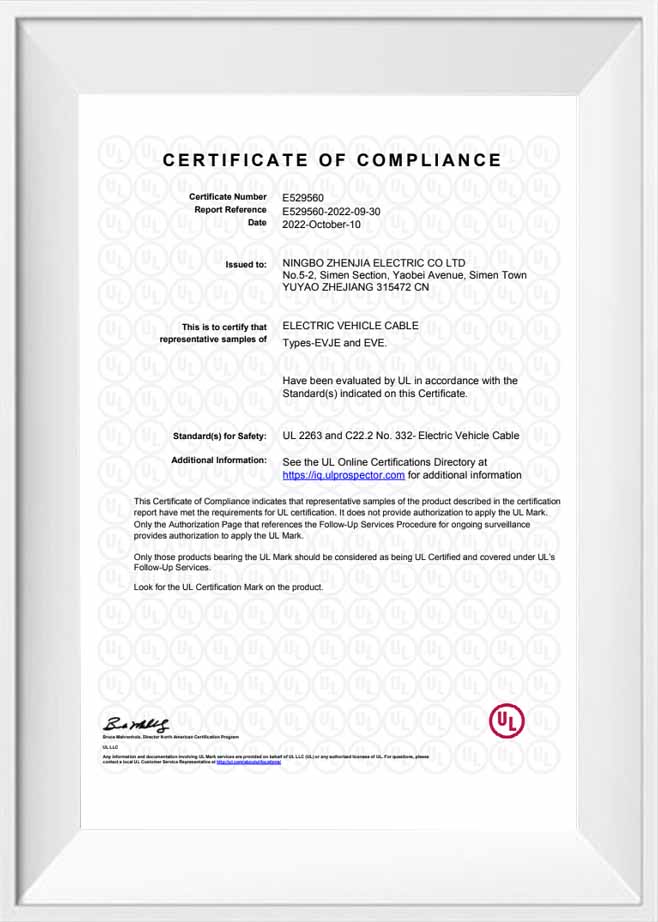 Certificate Of Compliance E529560
-
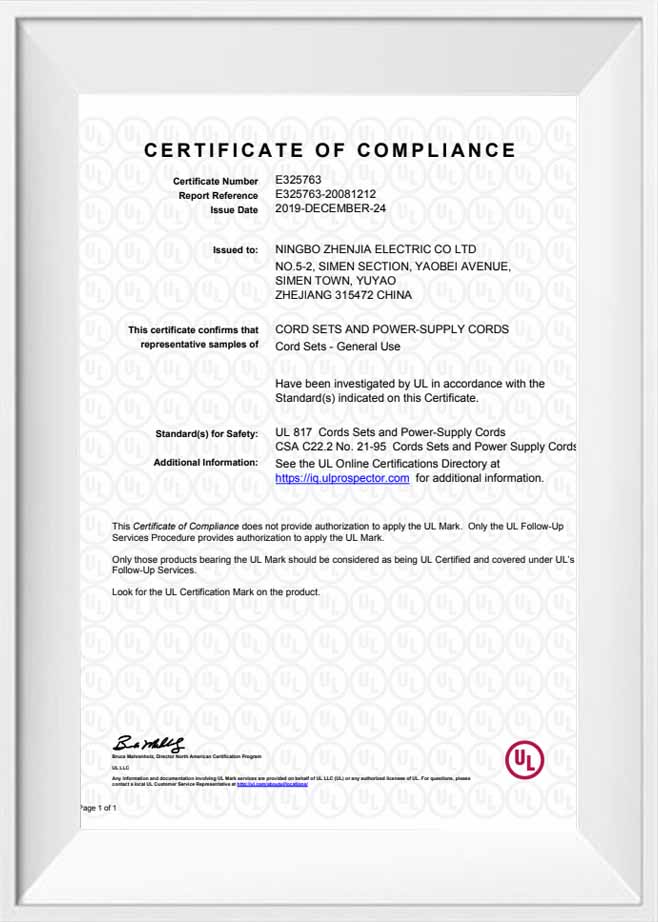 Certificate Of Compliance E325763
-
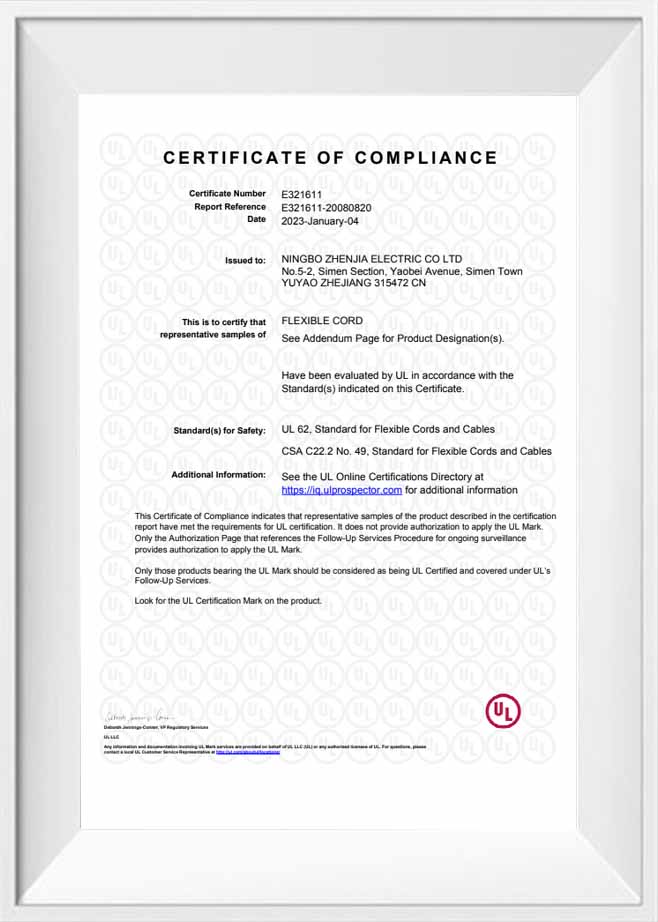 Certificate Of Compliance E321611
-
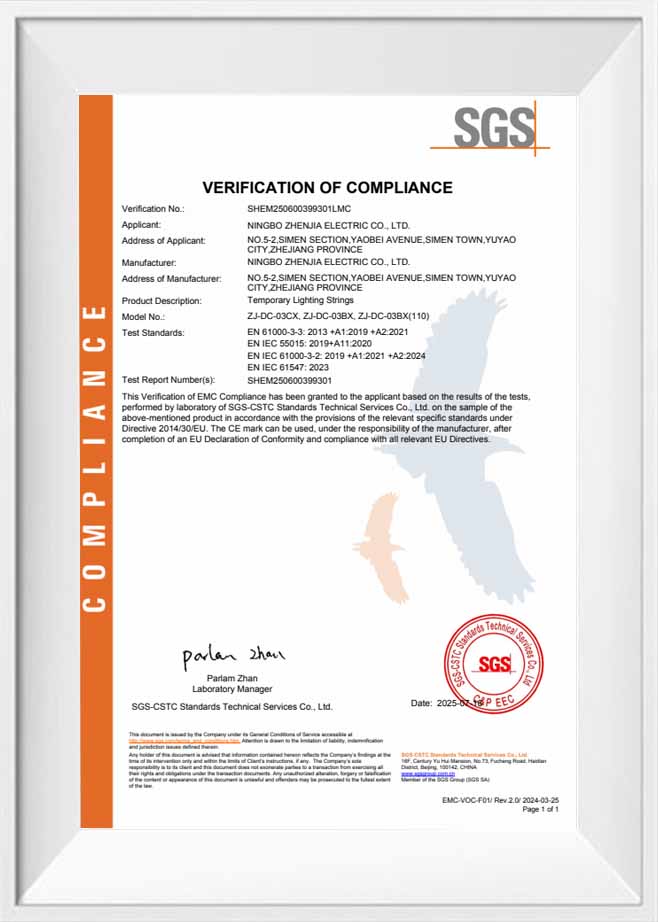 Verification Of Compliance
-
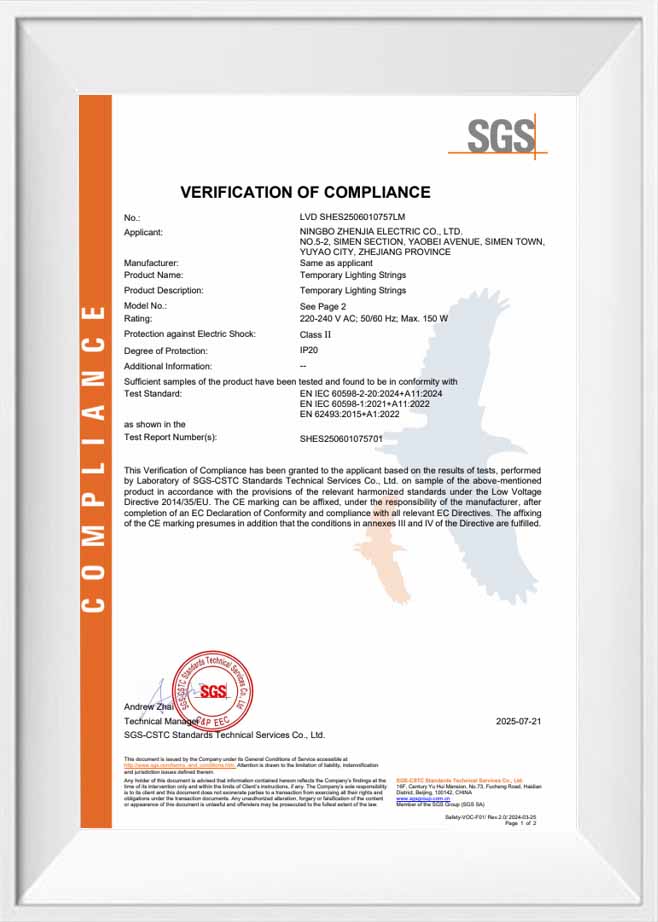 Verification Of Compliance
-
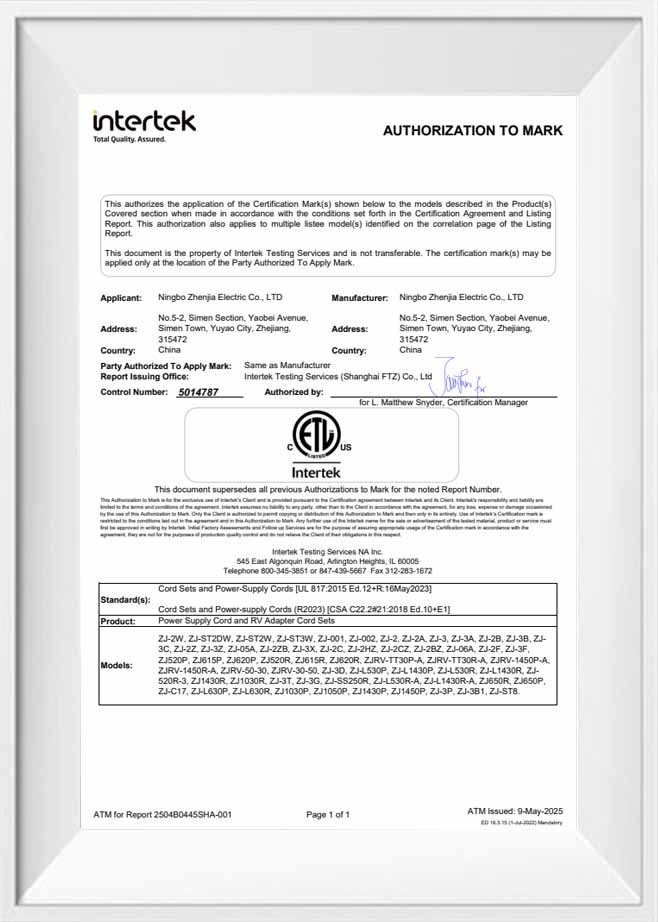 Authorization To Mark
Factory
-
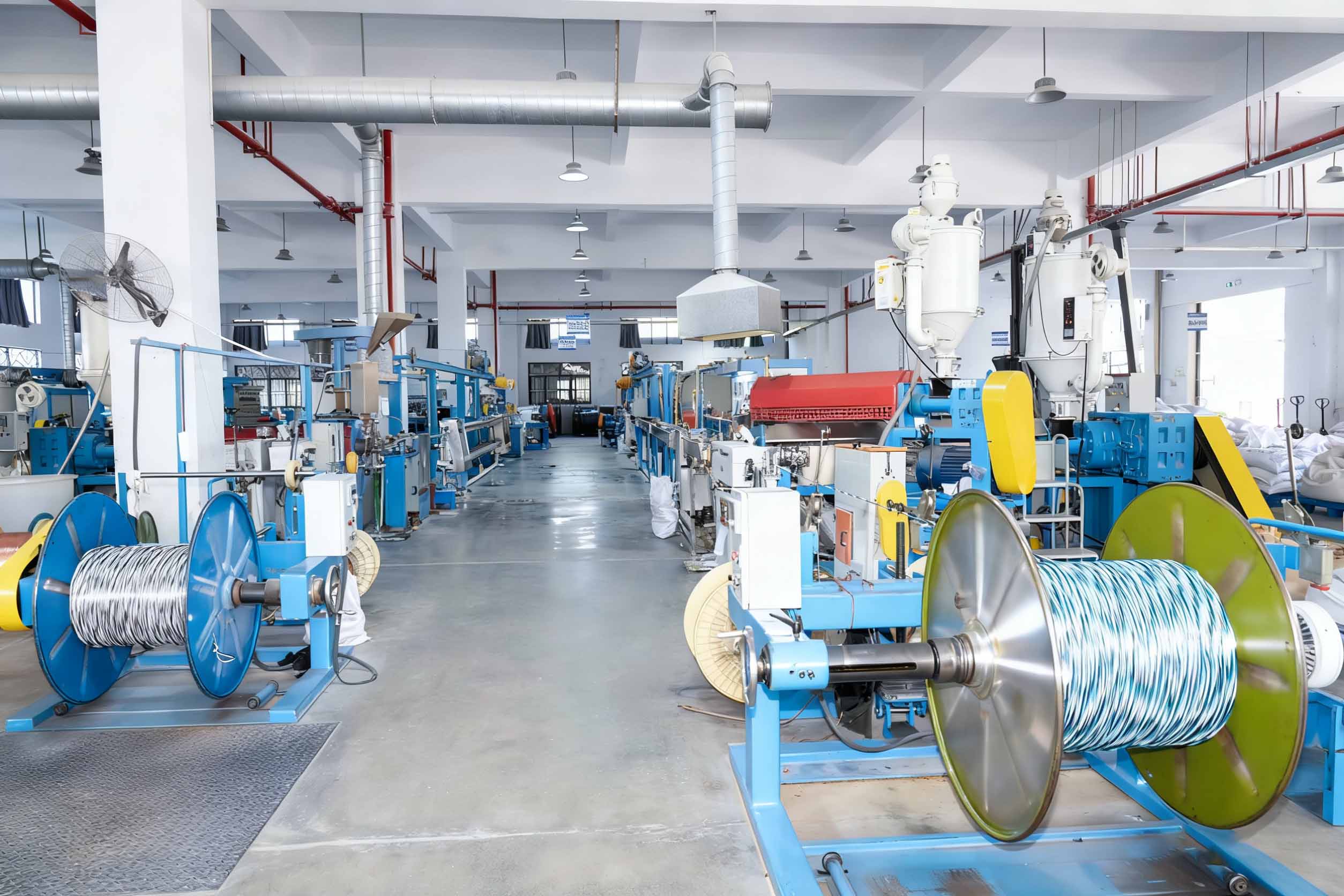 Factory Equipment
-
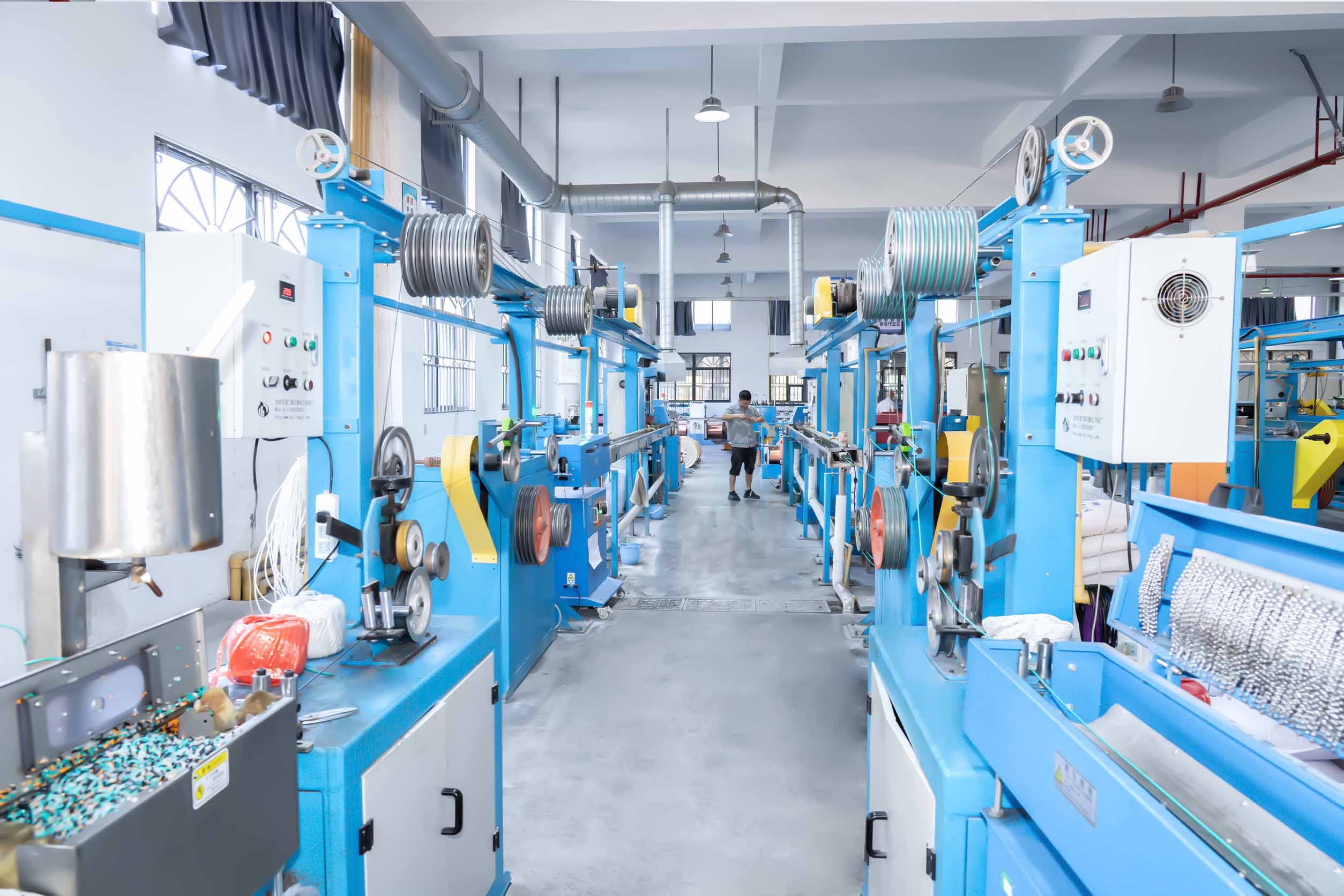 Factory Equipment
-
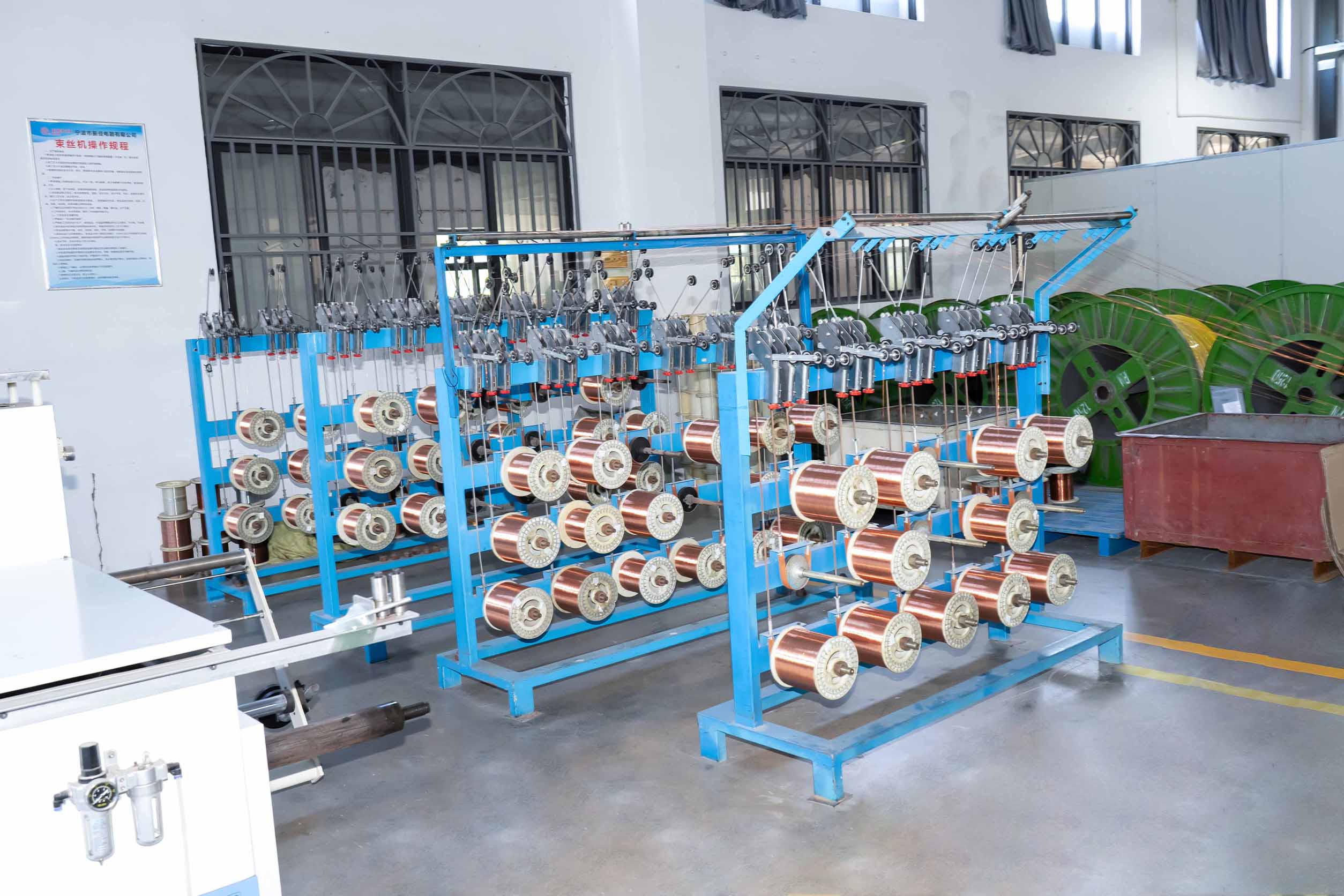 Factory Equipment
-
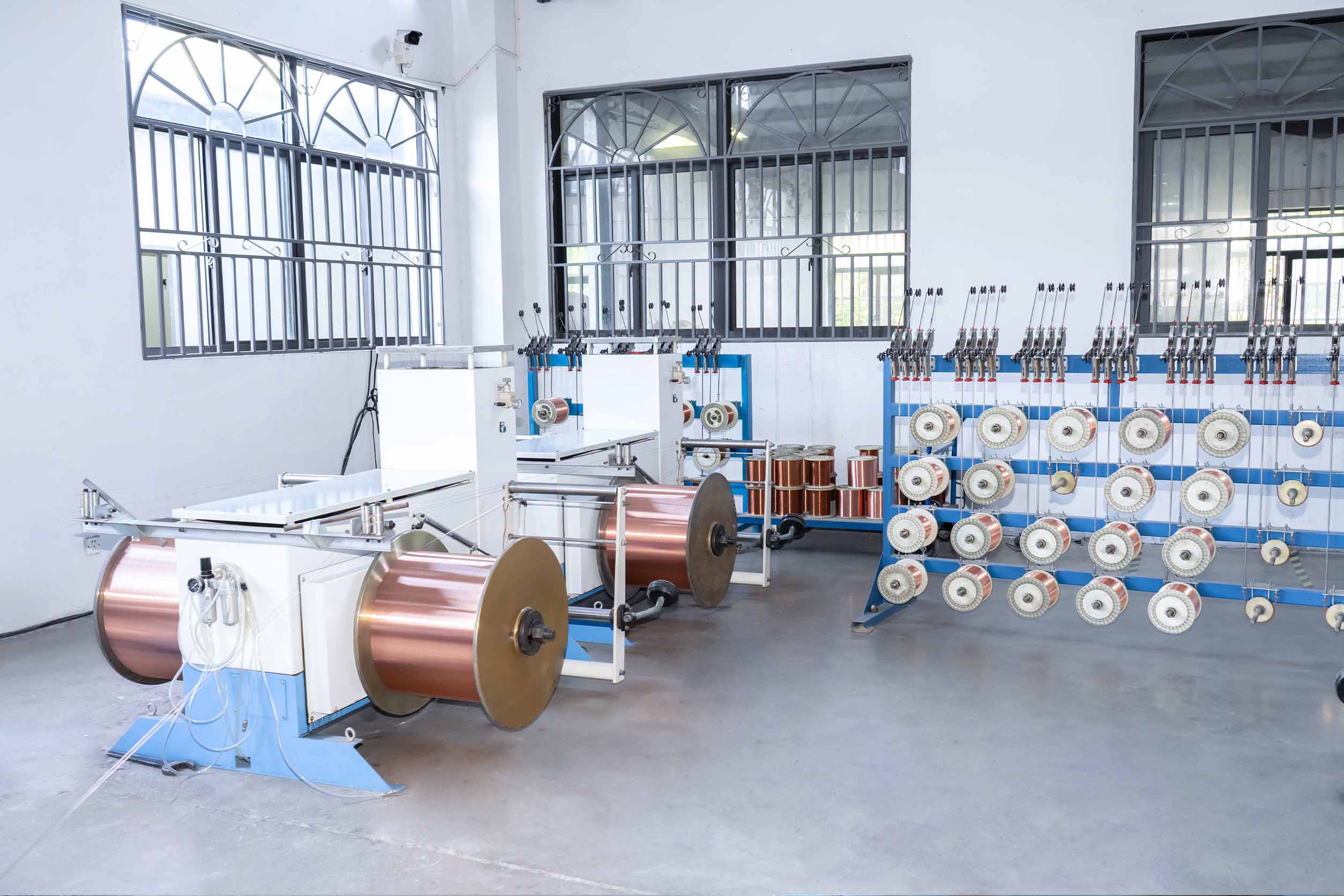 Factory Equipment
-
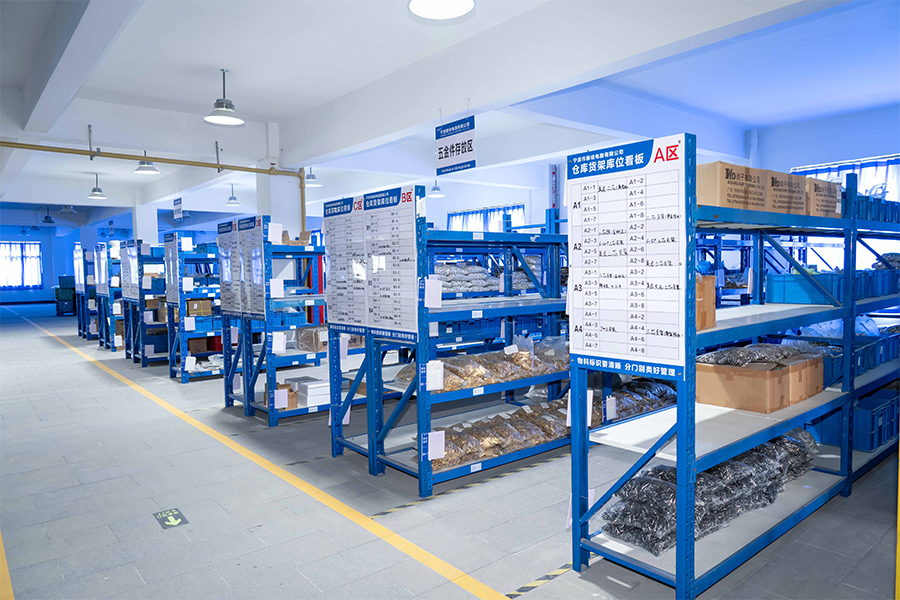 Warehouse
-
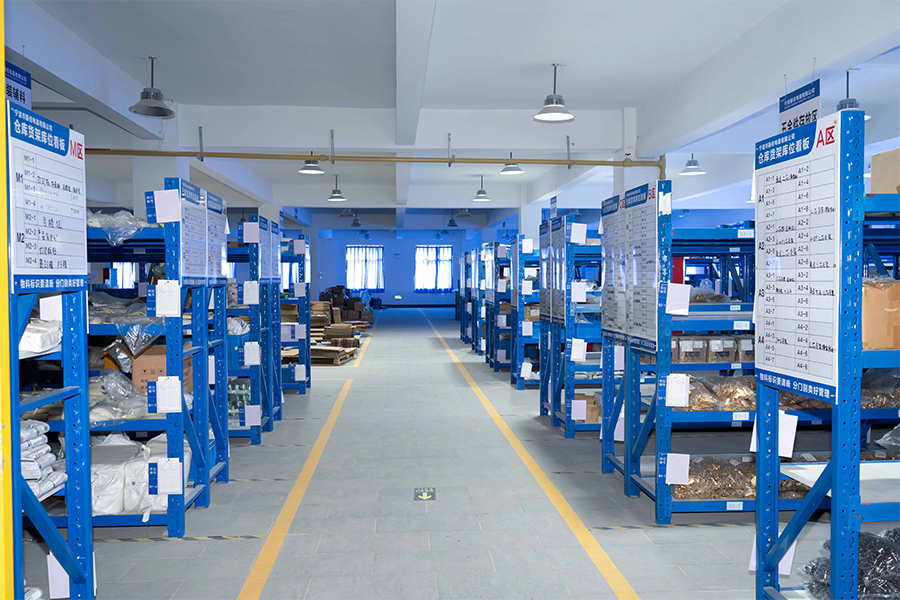 Warehouse
-
 Warehouse
-
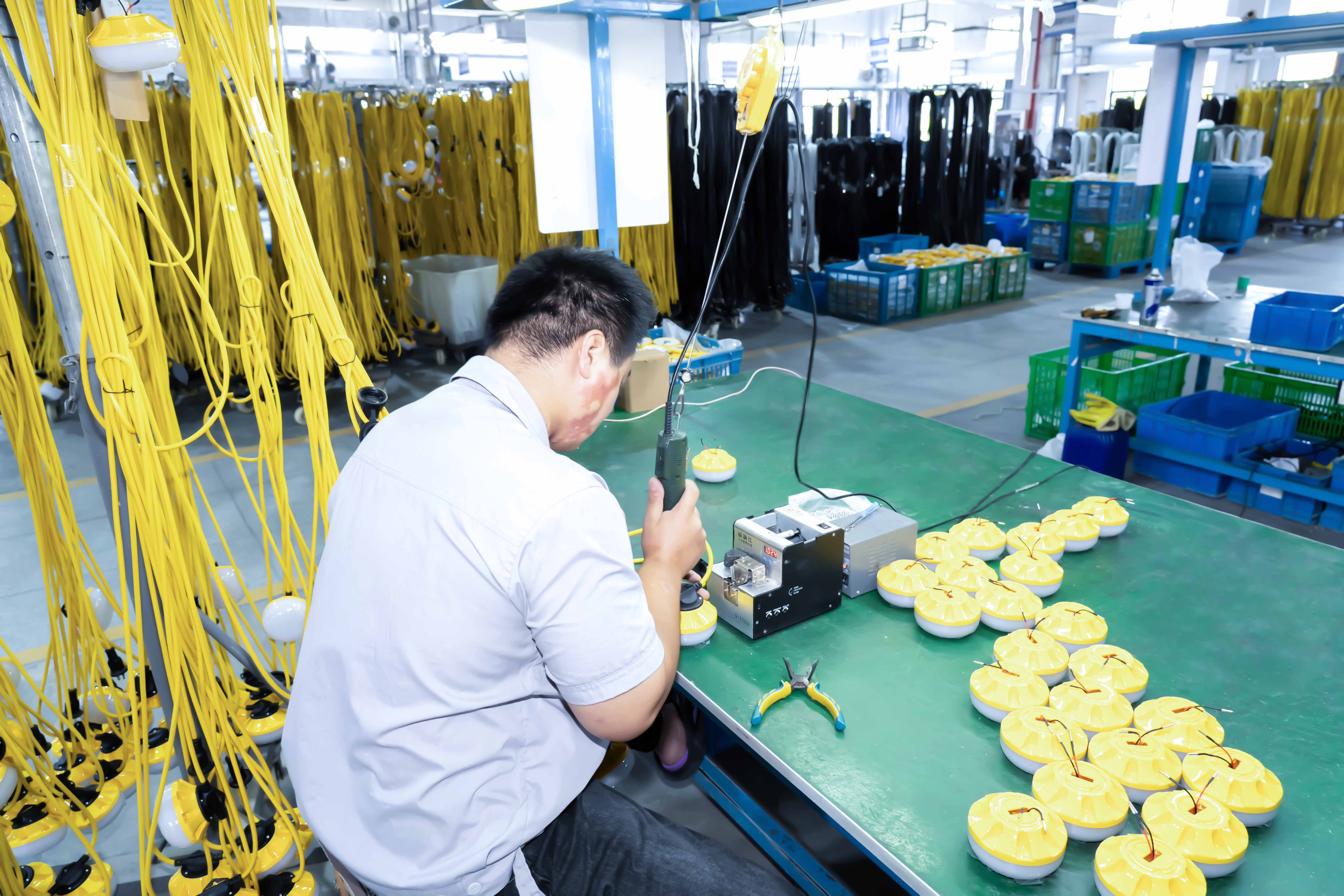 Work Shop
-
Imagine receiving a pallet of 500 LED work lights for a new logistics center, only to find that the daisy-chain connectors are rated for dry locations, the lead-in cords cannot reach the overhead busway, and the plugs are built for a 230V European system whil...
 VIEW MORE
2026.10.22
-
A container of 300 festoon sets arrives in Ohio, and every third unit fails the pull test on its molded plug. The lamps are fine. The sockets are fine. The conductor inside the plug is a thin strand that was never meant to carry the load across a 24-foot run,... VIEW MORE
2026.10.15
-
A distributor sends an RFQ for 5,000 RV adaptor cords: NEMA TT-30P male to 5-15R female, 12 inches, 10 AWG, retail bag. Three factories in Ningbo quote within eight percent of one another, and the samples look identical — same body, same color, same print. Th... VIEW MORE
2026.10.08
Contact Us
EV Extension Cord
Ningbo Zhenjia Electric Appliances Co., Ltd. manufactures EV Extension Cord solutions for global B2B buyers who need reliable, safety-certified power connections for electric vehicle charging. Since 2006, we have built our business around electrical connection and charging products, with in-house R&D, our own granulation and processing plants, and a 35,000 m² overseas manufacturing base in Cambodia.
Our EV extension cords are engineered for applications where a standard charging cable does not reach the vehicle, or where a temporary, portable connection is required. We supply custom lengths, conductor sizes, connector types, and jacket materials to match the electrical and environmental demands of each project.
What We Manufacture in the EV Extension Cord Range
Our EV extension cord range covers the cable assemblies and connectors that sit between a fixed charging station or wall outlet and the vehicle inlet. We produce complete cordsets as well as the individual components that go into them, including J1772 Type 1 and Type 2 connectors, GB/T AC/DC charging cables, and EV charging guns. Because we control granulation, extrusion, assembly, and testing under one group, we can adjust conductor stranding, insulation thickness, and jacket compound to meet specific voltage drop, flexibility, and abrasion requirements.
The range is positioned for OEM and aftermarket programs: charging station manufacturers, fleet operators, EV accessory brands, and distributors who need a consistent, certified cord that can be private-labeled and packaged for their market.
Core configurations we build
- Voltage and current classes: 120 V and 240 V AC single-phase assemblies for Level 1 and Level 2 charging, with conductor sizes selected to keep voltage drop within the limits of the connected equipment.
- Connector interfaces: J1772 Type 1 for North American vehicles, Type 2 for European and other IEC markets, and GB/T for China-standard vehicles. We also produce adapters between these interfaces where the application requires it.
- Cable construction: Copper conductors with thermoplastic or thermoset insulation, optional woven braid or heavy-duty jacket for outdoor and high-wear environments.
- Lengths: Custom cut lengths from short adapter leads to long-reach extension runs, with length marked on the jacket or label as required.
- Terminations: Molded or assembled plugs, strain relief, and sealing systems matched to the ingress protection level of the target application.
Application Fit: Where EV Extension Cords Are Used
EV extension cords solve a practical problem: the charging point is not always close enough to the vehicle inlet. Our cords are used in residential garages, apartment parking, fleet depots, dealerships, and temporary event charging setups. In each case, the cord must carry the charging current without excessive heat, maintain a secure connection under vibration and weather, and remain safe if the vehicle or the user pulls on the cable.
We match the cord to the application by confirming the charging equipment’s output, the vehicle inlet type, the ambient conditions, and the mechanical abuse the cord will see. For outdoor use, we recommend jackets with UV resistance and connectors with appropriate sealing. For indoor fleet use, flexibility and coil memory matter more because the cord is handled daily.
Materials and construction choices
- Conductor: Stranded copper, sized by ampacity and voltage drop. We can supply tinned copper for improved corrosion resistance in humid or coastal environments.
- Insulation: PVC, TPE, or XLPE depending on temperature rating, flexibility, and dielectric requirements.
- Jacket: PVC, TPE, or rubber compounds; optional woven braid for abrasion resistance and a premium feel.
- Connector housings: Engineered thermoplastics with molded strain relief and, where specified, sealed contacts.
Critical Specifications We Confirm Before Production
Every EV extension cord project starts with a specification review. We do not assume that a generic cord will meet the electrical, mechanical, and regulatory requirements of a given market. The table below shows the main parameters we confirm with the customer and how they affect the finished product.
| Parameter | Why It Matters | Typical Options |
|---|---|---|
| Voltage / current rating | Determines conductor size, insulation thickness, and connector rating. | 120 V, 240 V AC; 12 A to 80 A depending on application |
| Connector type | Must mate with the vehicle inlet and the charging equipment outlet. | J1772 Type 1, Type 2, GB/T, or custom |
| Cable length | Affects voltage drop and handling convenience. | Custom cut lengths with tolerance |
| Jacket material | Balances flexibility, abrasion resistance, and UV/weather resistance. | PVC, TPE, rubber, woven braid |
| Ingress protection | Required for outdoor or wet locations. | Sealed connectors and jackets as specified |
| Certification | Necessary for market access and insurance compliance. | c(UL)us, ETL, CE as applicable |
Engineering and Customization Support
Our in-house R&D team works from customer drawings, samples, or performance requirements. We can develop new cord assemblies, modify existing designs for a different market, or reverse-engineer a legacy part that is no longer available. Because we operate our own granulation and processing plants, we can adjust the compound and extrusion process to meet specific flexibility or temperature targets without relying on outside suppliers.
For EV extension cords, customization typically involves one or more of the following: a different connector interface, a non-standard length, a specific jacket color or branding, a higher strand count for flexibility, or a sealed construction for outdoor use. We provide samples for fit and function testing before mass production.
Quality Assurance and Acceptance Testing
We operate under an ISO 9001 Quality Management System, and our products hold key safety certifications including c(UL)us, ETL, and CE. Our testing lab is equipped for incoming material inspection, in-process checks, and final product testing. For EV extension cords, the acceptance routine includes continuity, polarity, high-potential dielectric strength, insulation resistance, and visual inspection of connectors and strain relief.
We can also perform application-specific tests such as voltage drop measurement, flexing, and pull force on the connector, depending on the project requirements. Test reports are available for customer review as part of the production documentation.
Installation, Maintenance, and Serviceability
EV extension cords are plug-and-play assemblies, but correct installation still matters. The cord should be routed to avoid sharp edges, excessive heat, and areas where it can be pinched or run over. For permanent or semi-permanent installations, we recommend strain relief at both ends and a drip loop where the cord enters a connector.
Maintenance is primarily visual: inspect the jacket for cuts, abrasion, or discoloration, and check that connectors are clean and dry before mating. If a cord is damaged, it should be replaced rather than repaired, because field repairs can compromise the insulation and sealing. We supply spare cords and replacement connectors for fleet and OEM customers who need to keep equipment running.
Information We Use to Configure Your Solution
To prepare an accurate proposal and production drawing, we need the following project inputs. The more detail you provide, the faster we can confirm feasibility and pricing.
- Electrical requirements: System voltage, maximum continuous current, and any applicable derating factors.
- Connector interfaces: Vehicle inlet type and charging equipment outlet type, including any adapter requirements.
- Physical requirements: Overall length, jacket color, printing or labeling, and coil or packaging preferences.
- Environmental conditions: Indoor or outdoor use, temperature range, exposure to sunlight, chemicals, or abrasion.
- Certification and market: Destination country and required safety marks.
- Volume and delivery: Estimated annual usage, order frequency, and delivery destination.
Related Product Ranges from Zhenjia
Our EV extension cords are part of a broader portfolio of electrical connection products. Customers who need a complete charging or power distribution solution often combine them with the following ranges:
- EV Charger — AC and DC charging units that pair with our cords and connectors.
- Extension Cord — general-purpose and heavy-duty extension cords for US, UK, and EU markets.
- Power cord — c(UL)us-certified power cords, connector-type cords, and woven braid cables.
- Generator Power Cords & Accessories — twist-lock plugs, wiring cable, and inlet boxes for backup power.
Frequently Asked Questions
Can you manufacture EV extension cords to our drawing or sample?
Yes. Our R&D team develops and produces cords according to customer drawings or samples. We review the electrical and mechanical requirements, produce a prototype for approval, and then move to mass production. Custom lengths, connector types, and jacket materials are all part of our standard customization process.
What certifications do your EV extension cords carry?
Our products hold key safety certifications including c(UL)us, ETL, and CE, and our manufacturing operates under ISO 9001. The specific certification for an EV extension cord depends on the connector type and target market. We confirm the applicable certification during the specification review and provide the relevant documentation with the order.
Do you supply both J1772 Type 1 and Type 2 connectors?
Yes. We produce J1772 Type 1 and Type 2 connectors, as well as GB/T AC/DC charging cables and EV charging guns. This allows us to build extension cords for North American, European, and Chinese vehicle inlets, or to create adapter assemblies that bridge different standards.
What is the typical lead time for a custom EV extension cord order?
Lead time depends on the complexity of the design, the certification requirements, and the order quantity. After we approve the sample and receive the purchase order, we confirm the production schedule. For repeat orders of standard configurations, the process is faster because tooling and documentation are already in place.
Can you provide samples for testing before we place a bulk order?
Yes. We provide samples for fit, function, and safety testing. For custom designs, we typically produce a prototype based on the agreed specification, and the customer evaluates it before we proceed to mass production. Sample lead times vary with the design and material availability.
How do you handle packaging and delivery for export orders?
We pack EV extension cords in strong cartons with appropriate internal protection to prevent damage during transport. Packaging can be customized with customer branding, labels, and instruction sheets. We ship from our manufacturing base and coordinate with the customer’s freight forwarder or our own logistics partners to deliver to the destination port.
- [email protected]
- +(86)-0574-62162605
- +(86)-137 0584 5290
- No. 5-2, Yaobei Avenue, Simen Town, Yuyao City, Ningbo, Zhejiang Province, China
Copyright © NINGBO ZHENJIA ELECTRIC APPLIANCES CO.,LTD. All Rights Reserved. Custom EV Extension Cord Suppliers
